 Facials · Boca Raton
Quick answer: A before-and-after photograph is useful only when you know what changed between the images. Compare lighting, camera angle, expression, makeup, timing and the exact service. Ask about editing, the number of appointments and other changes. One attractive pair of images is not a guarantee of your result or proof of every claim in its caption.
Beauty photographs can help you describe the appearance you like. They can also combine several changes into a single impression. A different expression, fresh makeup or closer camera position may make the “after” image look more dramatic without explaining which difference came from the service being advertised.
Use photographs as a starting point for questions, not as a substitute for knowing what you are booking. This guide applies to facials, brows, lashes, makeup and nail services without claiming that all of those services produce the same kind of change.
Ask what the images are meant to demonstrate
A makeup comparison demonstrates a finished makeup look. It does not, by itself, demonstrate a lasting change in the underlying skin. A styled-brow photograph can show the appearance after styling; it does not establish how the result looks throughout its entire wear period.
Before comparing a photograph with your own goal, identify the exact service, when the images were taken and what outcome the caption is actually claiming. A general studio video or treatment photograph is not automatically an outcome comparison.
| Detail | Question to ask | Why it matters |
|---|---|---|
| Lighting | Is the light direction, brightness and colour similar? | Different light can change the visibility of texture, shine and shadows. |
| Camera and position | Are distance, angle and framing comparable? | A closer or differently angled image is not a like-for-like view. |
| Expression and pose | Is the person holding the same expression and position? | Expression and pose can change what the photograph emphasizes. |
| Makeup and styling | Were makeup, grooming or other products added? | The visible difference may include more than the advertised treatment. |
| Timing | How soon after the service was the image taken? | An immediate photograph does not describe the entire recovery or wear period. |
| Editing | Were filters, retouching or other adjustments used? | An edited appearance cannot be assumed to be an unaltered treatment result. |
Check whether more than one change is involved
A comparison may follow several appointments, a combined service or a changed home routine. Ask which changes were involved rather than attributing everything in the second image to a single visit.
For example, a facial and professional makeup performed for the same event are different services. A finished event photograph does not isolate the contribution of the facial. That is a limitation of the comparison, not evidence that either service did nothing.
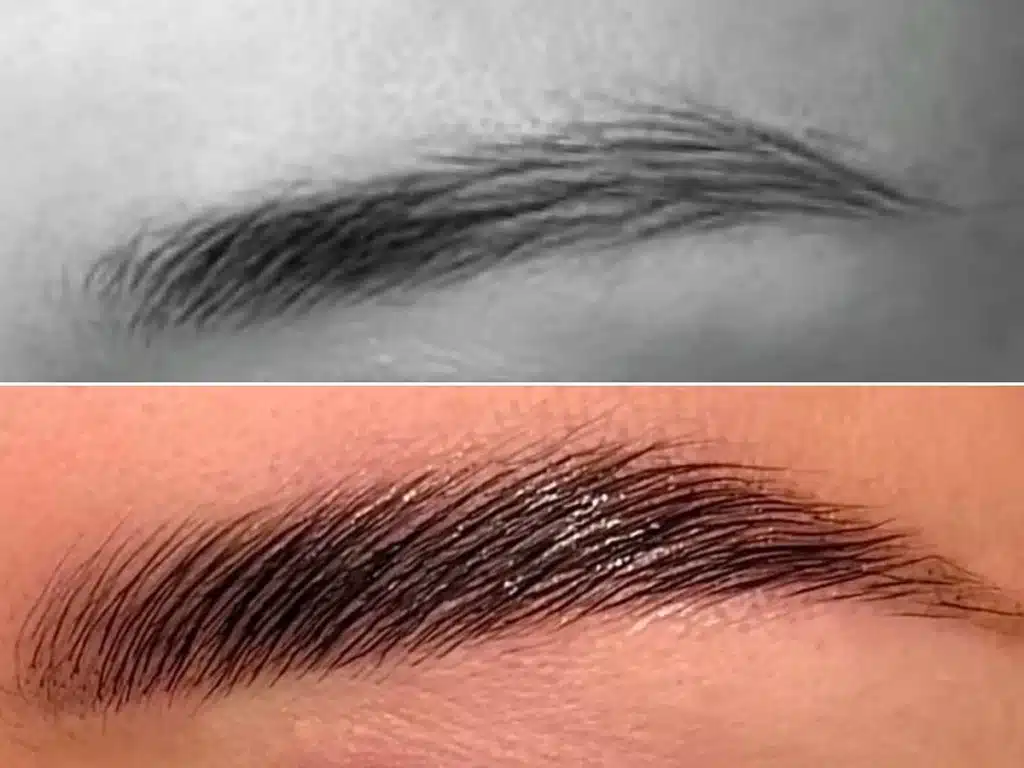
Similarly, a brow photograph may involve shaping, tinting, lamination or permanent makeup. The brow-service comparison explains why those labels should not be treated as interchangeable.
Do not turn one photograph into a promise
An image can show how one person looked under particular conditions. It cannot establish that every visitor will have the same result, need the same number of visits or prefer the same appearance. A dramatic photograph also does not establish that the pictured service is appropriate for you.
Ask what outcomes are realistic for your goal and what the limitations are. The American Academy of Dermatology’s preparation guidance for microdermabrasion includes questions about expected results, side effects, costs and before-and-after examples. Photographs belong inside that broader conversation.
Look for context in the caption
A useful caption identifies the service and the timing of the images. It may also explain whether the example involves multiple visits, other treatments or makeup. If those details are absent, ask for them before using the image to estimate your own appointment requirements.
Distinguish an original client example from a manufacturer’s promotional image, a stock photograph or a general studio scene. Each can serve a different purpose. A source label helps you understand what the image actually supports.
Skin Lounge’s editorial standards explain how the journal handles sources and review claims. A photograph accompanying an article does not mean that every treatment discussed was performed in that photograph or independently medically reviewed.
Use a reference photo to explain a preference
Tell the practitioner which feature you like: a brow outline, lash styling, makeup finish, nail shape or overall presentation. This is more precise than saying that you want to look exactly like the person in the image.
Then identify what you do not want to change. That gives the conversation a practical boundary. Ask which aspects can reasonably be discussed for your own appointment and which would require a different service or may not be appropriate.
You do not need to send someone else’s private photographs to describe a preference. Use images you are permitted to share, and avoid including identifying information that is irrelevant to the appointment discussion.
Questions before choosing a service from a photograph
Ask for the service name, number of appointments represented, time between images, whether makeup or another service was involved and whether the photos were edited. Then ask about your own suitability, likely appointment requirements, costs and limitations. These are separate questions; the photograph cannot answer all of them.
Does different lighting prove that a result is fake?
No. It makes the images harder to compare. Ask for context rather than treating a visual inconsistency as proof of fraud.
Is an immediate “after” image enough to show lasting results?
No. It records that moment. Ask when the appearance was documented and what follow-up information is available.
Can a photograph tell me which facial to book?
It can help communicate a cosmetic goal, but it does not establish your skin’s condition or the suitability of a treatment. Use a consultation when the choice is uncertain.
Discuss the result you actually want
Read the consultation guide and questions to ask an esthetician before deciding on a service. Skin Lounge is at 2061 NW 2nd Ave, Suite 205, Boca Raton.
Request an appointment discussion. A reference image can help explain your preference; the team still needs to confirm the service and actual appointment time.
Tell us what you are considering and when suits you. We will call or text to confirm your appointment.
Request an appointment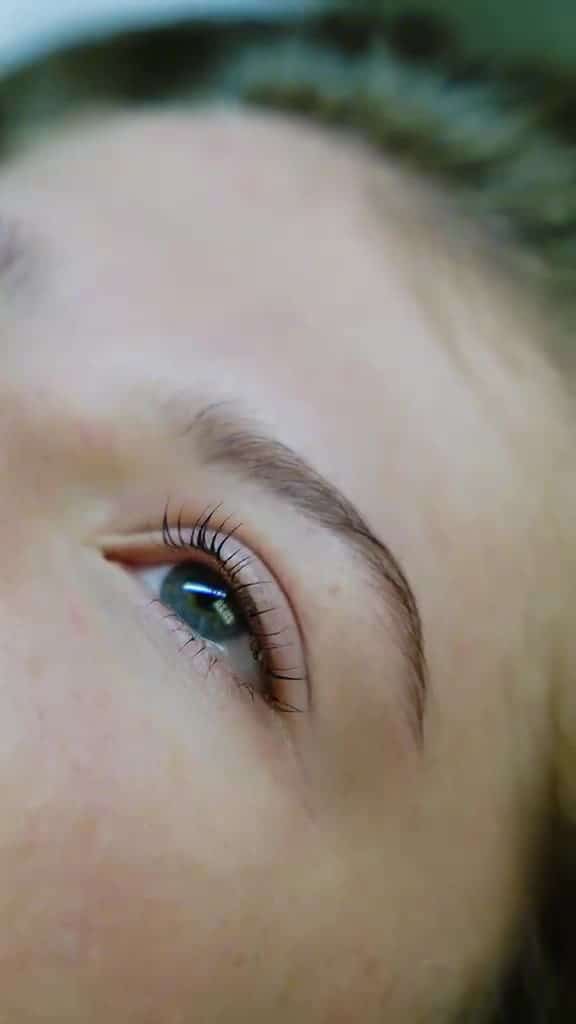
Brow Lamination vs Microblading vs Powder Brows: Which Should You Choose?
How brow lamination, microblading and powder brows compare on longevity, healing, upkeep, price and safety, with Florida rules explained.
Explore the guide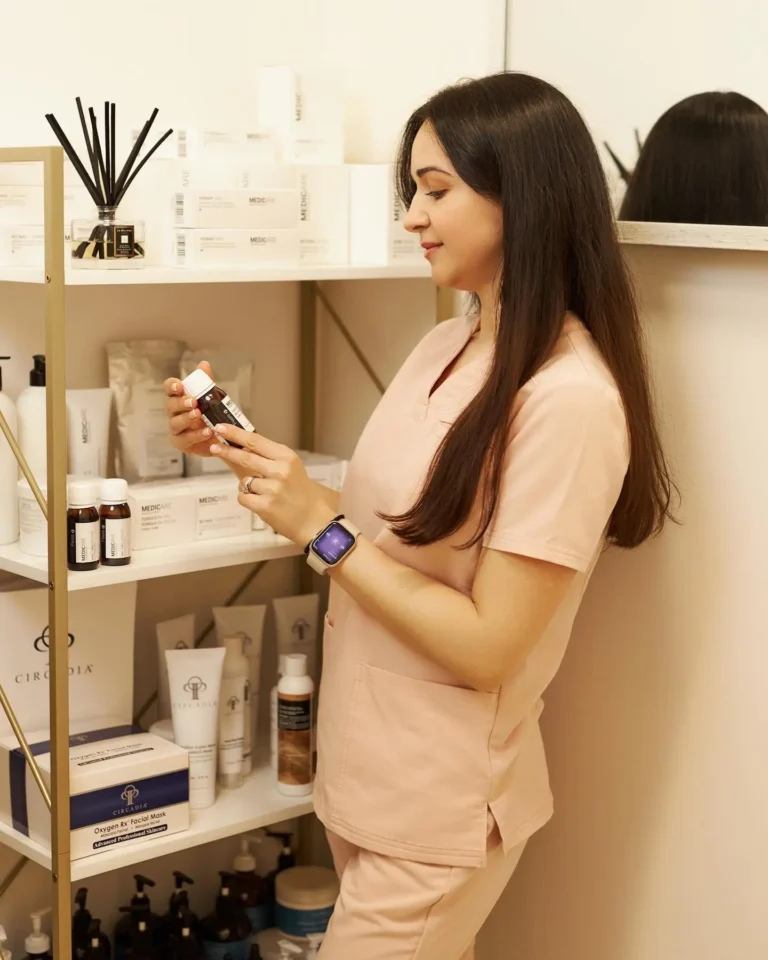
Free Skin Consultation in Boca Raton: What to Ask Before Choosing a Facial
Skin Lounge's published facial menu includes a free 30-minute skin consultation for visitors who are unsure which service to book. Use it to discuss cosmetic goals, current…
Explore the guide
How to Choose an Esthetician in Boca Raton: 12 Questions to Ask
Choose an esthetician by verified credentials, appropriate scope of services, hygiene, clear explanations, realistic outcomes and a willingness to recommend against unsuitable treatments. Price and social-media photos…
Explore the guide