
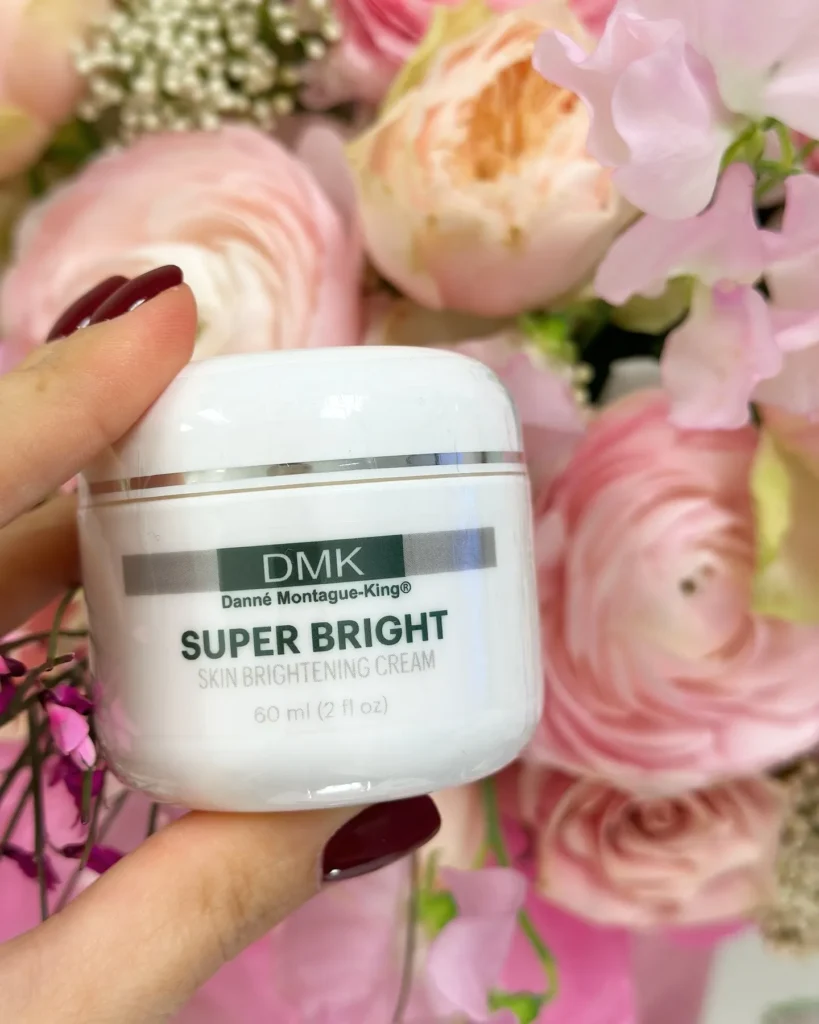
 Skin concerns · Boca Raton
Quick answer: Hyperpigmentation is a broad description of darker areas of skin; melasma is a particular pigment condition often affected by sun and hormonal factors, while post-inflammatory marks can follow acne or irritation. Because treatment and risk differ, identify the concern before booking a peel or exfoliating facial.
A dark patch after a breakout and symmetrical discoloration across the cheeks can look similar in a photograph, but they do not necessarily respond to the same approach. Skin Lounge offers appearance-focused peels and facials in Boca Raton. Those services cannot replace a diagnosis when the cause is uncertain.
This guide describes the distinctions dermatologists use, plus how to prepare for an honest cosmetic consultation. It is not a tool for diagnosing yourself from a mirror or a social-media comparison.
| Concern | Typical context | First useful decision |
|---|---|---|
| Post-inflammatory hyperpigmentation | Color left after a blemish, burn or irritation | Address the original source of inflammation and protect skin |
| Melasma | Patchy pigment often influenced by sunlight, visible light or hormonal factors | Dermatologist-directed diagnosis and sun protection |
| Sun-related dark spots | Related to sun exposure over time | Evaluate if changing or concerning before cosmetic treatment |
| Unknown or changing spot | Not reliably identified from a beauty article | Medical examination first |
Hyperpigmentation describes appearance, not one disease
Hyperpigmentation means that some skin looks darker than adjacent skin. It does not tell you why the color appeared. People can develop dark marks after acne, eczema, bites, burns or overly aggressive procedures, and some patterns are associated with ultraviolet exposure.
The American Academy of Dermatology emphasizes treating the underlying cause and using gentle products. If a cleanser or active product burns or stings, continuing it can contribute to further irritation and discoloration. Cosmetic care should start by avoiding additional injury.
Post-acne dark marks are not the same as permanent indented scars
After a pimple resolves, a flat darker patch may remain. That is a pigment concern; a depressed or raised scar involves changes to the skin’s structure. A superficial treatment advertised for uneven tone should not be represented as a guaranteed treatment for structural scarring.
If you still have active inflammatory acne, preventing new lesions may be more important than pursuing repeated brightening facials. Severe or painful acne belongs with a dermatologist; otherwise new inflammation can continually create new marks.
- Flat dark color after acne: discuss pigmentation and acne control.
- Uneven or pitted surface: ask about scarring and the limits of cosmetic exfoliation.
- New, bleeding, growing or irregular spot: seek medical assessment rather than a peel.
What makes melasma different?
Melasma is a specific pigmentation condition. The AAD identifies sun exposure and other potential influences, including pregnancy and certain medications. Visible light can also worsen melasma for some people, particularly those with darker skin tones.
Unlike generic “sun spots,” melasma often requires an ongoing plan rather than a single exfoliation appointment. Dermatologists may recommend carefully chosen medication and daily photoprotection. A spa cannot promise a permanent cure, and overly irritating procedures may make discoloration harder to manage.
Sun protection and gentle care come before aggressive procedures
AAD guidance recommends broad-spectrum, water-resistant SPF 30 or higher, shade and protective clothing. For melasma, tinted sunscreen containing iron oxides can help address visible-light exposure. Reapplication matters especially during beach days, swimming and outdoor activities in South Florida.
Avoid unverified DIY acid peels and repeated scrubbing. In skin prone to post-inflammatory discoloration, trauma from a treatment intended to lighten a spot can result in a darker one. Selecting a professional service should begin with a careful discussion of skin coloring and previous reactions.
Where a Skin Lounge cosmetic consultation may fit
Skin Lounge publishes a hyperpigmentation treatment overview alongside specific chemical peel options. These explain available services and their prices; they do not mean every type of pigment is suitable for every peel.
If a dermatologist has already identified a benign cosmetic pigment concern, bring that history to a consultation. Ask what the proposed service can realistically accomplish, the likelihood of worsening discoloration, and the time required before sun exposure can resume.
The five questions that prevent a poor booking
There is no universally best peel for “dark spots.” The right answer can be a different procedure, a skin-care change, a dermatologist visit or no immediate treatment.
- Do I know what caused the discoloration, or should I obtain a diagnosis?
- Am I still developing acne, irritation or other inflammation?
- Have prior treatments left longer-lasting dark marks?
- Can I follow the sun-protection and aftercare requirements?
- What alternative would be safer if my skin is not suited to a peel?
Frequently asked questions
Can a cosmetic peel cure melasma?
No guarantee is appropriate. Melasma can recur or persist, and dermatologists often use a multifaceted treatment and photoprotection plan.
Are acne marks and acne scars the same thing?
Not necessarily. Flat discoloration differs from changes in skin texture and structure; treatment choices may differ.
What if my dark spot is growing?
Have a changing or unusual lesion assessed medically before cosmetic treatment.
What to do next
Read the hyperpigmentation service overview and the chemical peel safety guide. If you know the concern is cosmetic and benign, request a consultation; for an uncertain or changing lesion, see a dermatologist first.
Explore next: Hyperpigmentation services · Chemical peels · Peel comparison · When to see dermatologist
Sources and clinical reading
References below support the general educational points. Service prices and durations are taken from Skin Lounge’s published menu; suitability is individual and is discussed during booking.
- AAD: How to fade dark spots in darker skin tones
- AAD: Melasma self-care
- AAD: Selecting sunscreen
- AAD: When to see a dermatologist for acne
Tell us what you are considering and when suits you. We will call or text to confirm your appointment.
Request an appointment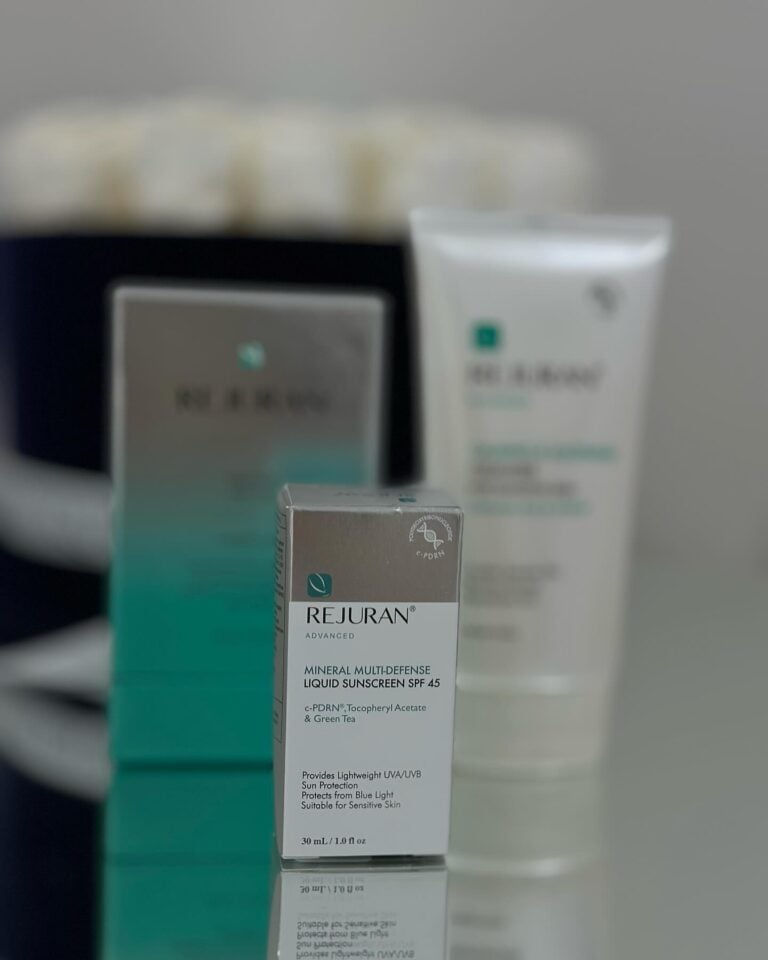
Chemical Peels in South Florida: Timing, Sun and Aftercare
How to time a chemical peel around South Florida sun, what to avoid before and after, and how four professional peels compare.
Explore the guide
BioRePeel vs PRX-T33 in Boca Raton: Treatment and Price Comparison
BioRePeel and PRX-T33 are distinct branded professional peel systems, not two interchangeable names for the same treatment. Skin Lounge lists BioRePeel at $199 and PRX-T33 at $230.…
Explore the guide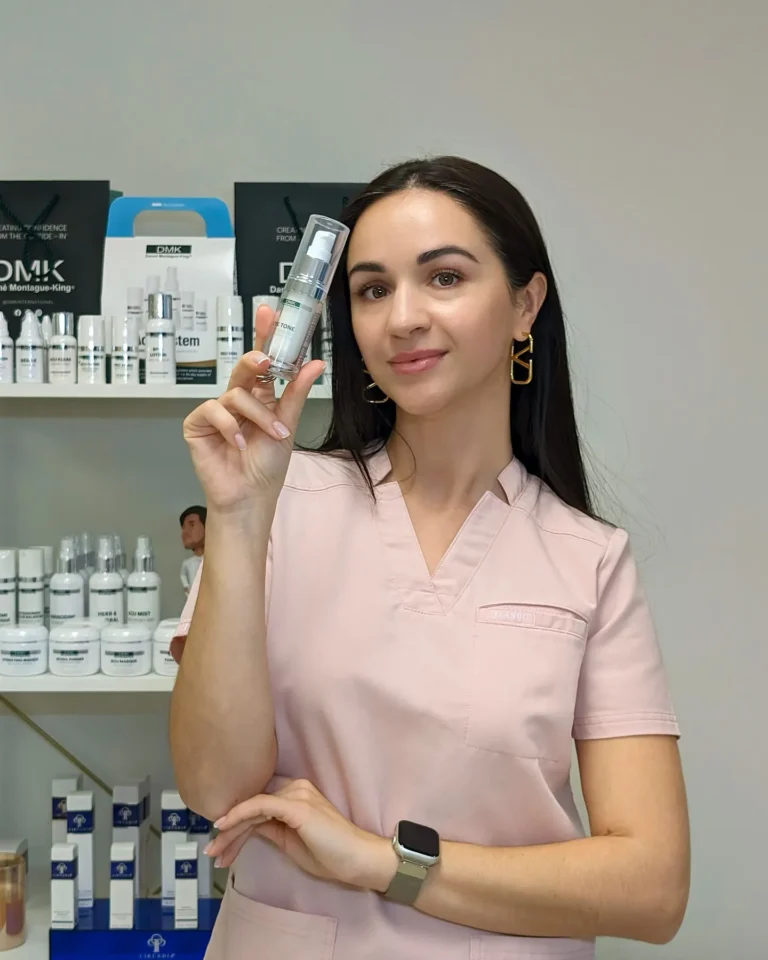
When to See a Dermatologist Instead of Booking a Facial
A facial is a cosmetic service, not a medical diagnosis. See a dermatologist for changing or bleeding spots, deep painful or scarring acne, possible infection, severe or…
Explore the guide