
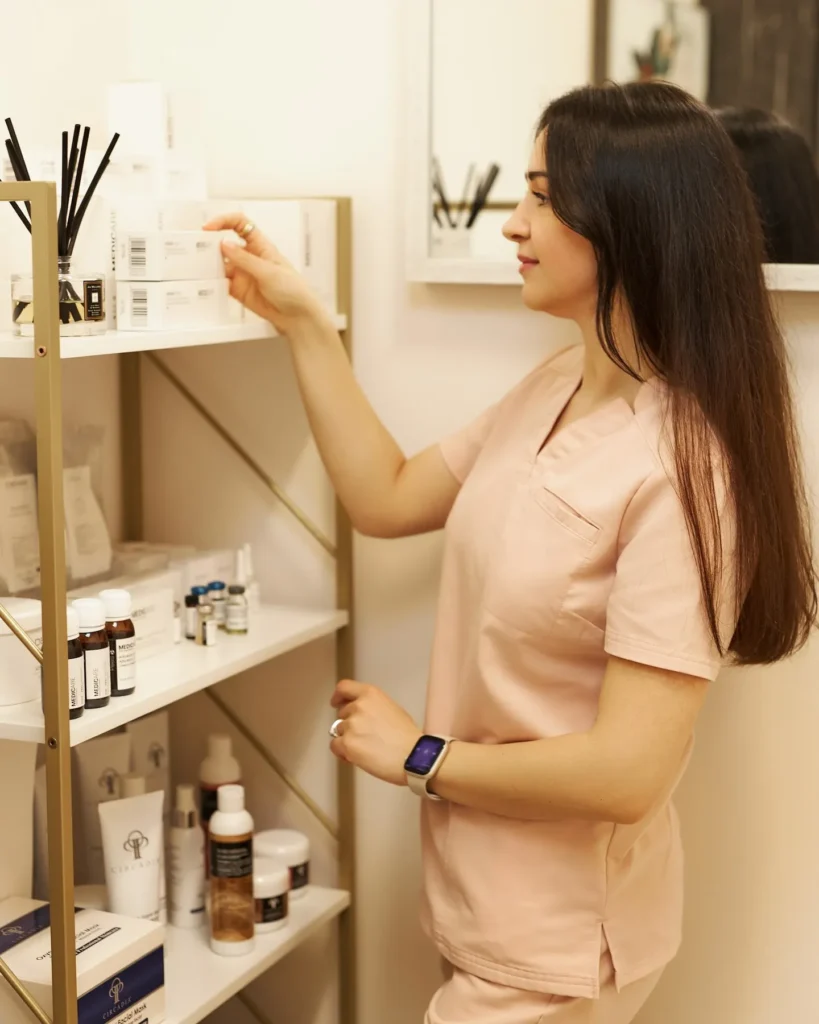
 Peels · Boca Raton
Quick answer: Chemical peels can be used on diverse skin tones, but the risks and appropriate protocols are not identical for everyone. The AAD cautions that darker skin coloring requires particular expertise to reduce pigmentation complications. Before booking in Boca Raton, discuss previous dark marks, ingredient tolerance, depth and aftercare.
Marketing often divides peels into “safe for everyone” and “not for darker skin.” Both extremes are misleading. AAD guidance emphasizes practitioner experience, medical context, pigment history and appropriate selection. The goal is an informed choice rather than a blanket promise.
Skin Lounge offers cosmetic peels. This educational guide does not verify any individual practitioner’s experience with a given skin tone; that is a question to ask directly before the appointment.
| Factor | Why it matters | What to ask |
|---|---|---|
| Post-inflammatory dark marks | Can follow irritation | Have I developed dark patches after prior procedures? |
| Current skin inflammation | May make exfoliation inappropriate | Should treatment wait until the skin settles? |
| Peel depth and formulation | Different healing and risks | What product is used and how is it applied? |
| Sun and visible light | Can affect pigmentation | What photoprotection is required? |
How pigmentation risk differs from a general skin-type label
Two people with similar visible skin color can have very different histories of irritation, scarring and pigmentation. Conversely, deeper skin tone may be one factor among several that affects risk. The AAD notes that skin of color can develop permanent pigment problems if peels are performed without appropriate expertise.
Avoid the simplified idea that darker skin always needs the weakest treatment or that a single marketed protocol is automatically safe for all colors. Individual assessment matters.
What post-inflammatory hyperpigmentation has to do with peels
Pigment changes can follow inflammation or skin injury, including over-aggressive cosmetic procedures. If a pimple, waxing session or previous peel left a long-lasting dark mark, that history is important.
Read the difference between acne marks, melasma and other pigmentation. Treating the cause of inflammation and maintaining photoprotection may be more urgent than booking repeated peels.
Ask about experience, not just licensing
The AAD recommends asking how many peels the clinician has performed for people with your skin coloring and what complications could occur. Training in the general technique does not establish equal experience with every skin type.
For a Skin Lounge appointment, ask the specific practitioner about the peel used, their experience with similar pigmentation histories and what would lead them to advise against treatment. There is no need to infer qualifications from a photo or a brand name.
Avoid strong home routines before and after a peel
Excessive exfoliation can worsen redness and contribute to dark spots. Discuss retinoids, active acids, acne medications and prior procedures. Changes to prescription treatment should be discussed with the prescribing clinician.
Aftercare should be tailored to the actual peel. Avoid picking, scrubbing or using other exfoliants to force visible peeling. Contact a clinician if there is persistent or worsening discoloration or another concerning reaction.
Florida sun and visible light are relevant to pigment concerns
Broad-spectrum sunscreen helps protect from ultraviolet radiation; tinted products with iron oxides can be useful for visible-light-associated pigmentation such as melasma, per AAD guidance. Shade and protective clothing remain important.
Choose an appointment time that allows you to follow the procedure's recovery and sun precautions. A weekend at the beach directly after exfoliation can be a reason to postpone rather than an inconvenience to ignore.
How to make the decision at Skin Lounge
The chemical peels page lists options from $110. Price does not establish safety or expected improvement. Ask which treatment the practitioner recommends for your precise concern, why it is appropriate and what alternative exists.
If there is a changing lesion, a diagnosed pigment disorder or uncertainty about treatment risk, see a dermatologist first. Cosmetic facials are not substitutes for evaluation of a medical skin condition.
Frequently asked questions
Are chemical peels automatically unsafe for darker skin?
No, but pigmentation complications may require specialized knowledge and careful selection.
Can a peel make a dark spot darker?
Yes. Inflammation-related pigment changes are a recognized risk; discuss history and aftercare.
Can a spa diagnose melasma?
Do not rely on a cosmetic service to diagnose a medical condition. Seek dermatology evaluation when uncertain.
What to do next
Review Skin Lounge peels and dark spot safety considerations. Request a consultation that explicitly includes your pigmentation history and any concerns about recovery.
Explore next: Peel menu · Peel cost · Pigmentation overview
Sources and clinical reading
References below support the general educational points. Service prices and durations are taken from Skin Lounge’s published menu; suitability is individual and is discussed during booking.
- AAD: Chemical peels FAQ
- AAD: Chemical peel preparation
- AAD: How to fade dark spots in darker skin tones
- AAD: Melasma self-care
Tell us what you are considering and when suits you. We will call or text to confirm your appointment.
Request an appointment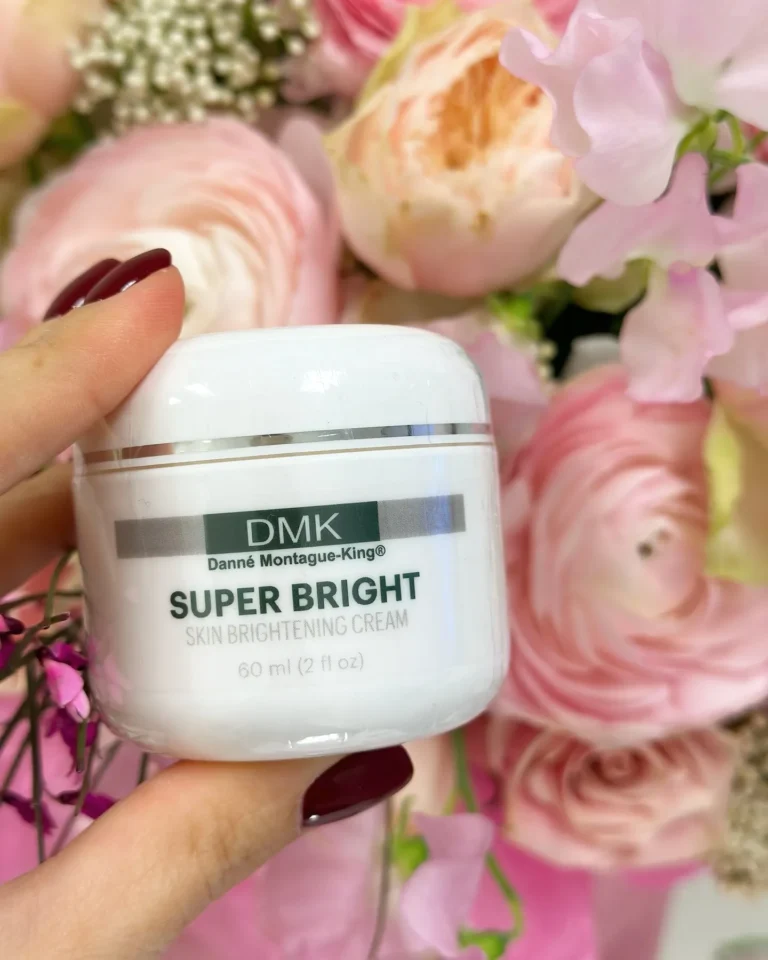
Hyperpigmentation vs Melasma vs Acne Marks: What Is Different?
Hyperpigmentation is a broad description of darker areas of skin; melasma is a particular pigment condition often affected by sun and hormonal factors, while post-inflammatory marks can…
Explore the guide
Chemical Peels for Dark Spots: What They Can Do and Who Should Be Careful
Some superficial chemical peels can improve the appearance of selected pigmentation concerns, but their effectiveness and safety depend on the diagnosis, formulation, technique and skin response. Darker…
Explore the guide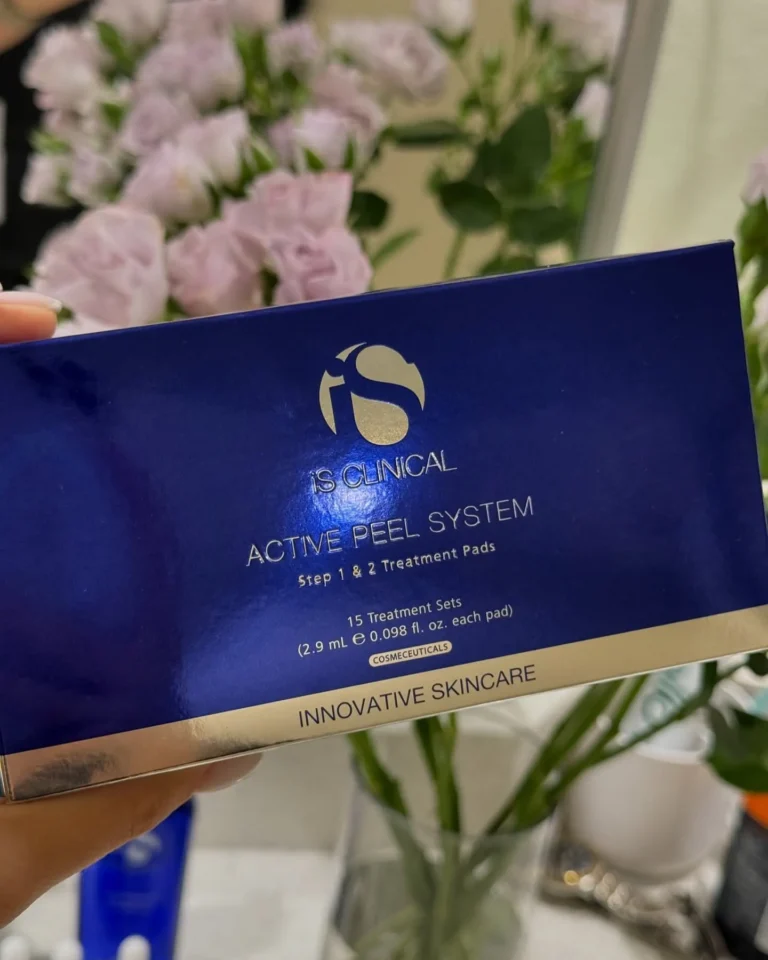
How Much Does a Chemical Peel Cost in Boca Raton? Skin Lounge Prices
Skin Lounge’s published Boca Raton menu lists selected lactic and acne peels from $110, BioRePeel at $199 and PRX-T33 at $230. These are separate protocols, not interchangeable…
Explore the guide